
Understand before you buy
Running and starting watts, inverters, propane, transfer switches and carbon monoxide: everything that matters before buying and running a portable generator, with real numbers.
 Start here
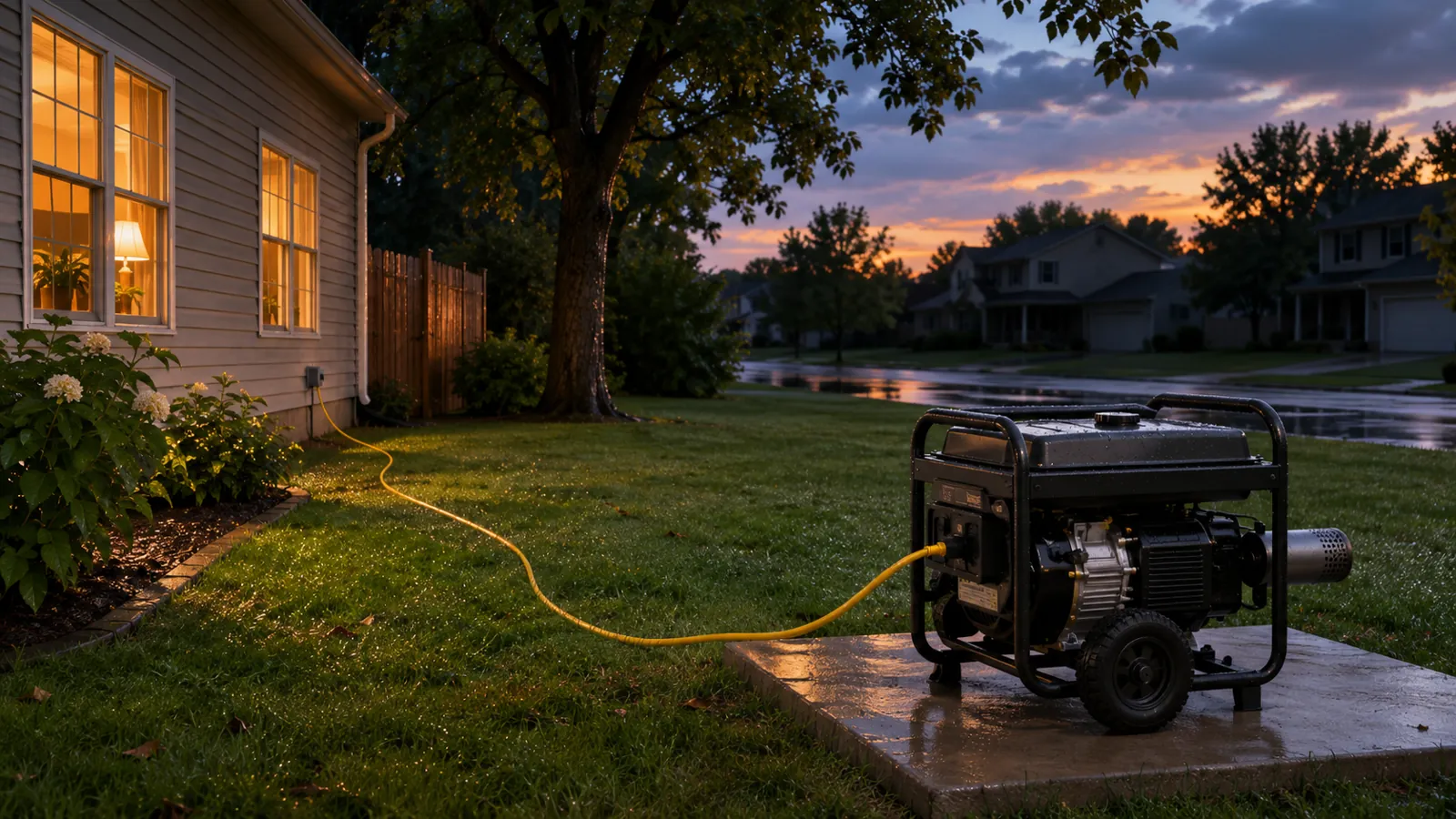
How to choose a portable generator
Start from what you need to power, not from the biggest number on the box. This five-step method turns your list of appliances into a wattage, a fuel choice and a short list of features that actually matter.
The basics
Size, type and fuel: the three choices that decide everything else.
 The basics
What size generator do I need?
Generator sizing comes down to two numbers per appliance and one simple rule. Fill in the worksheet below and you will know whether you need 3,500, 7…
 The basics
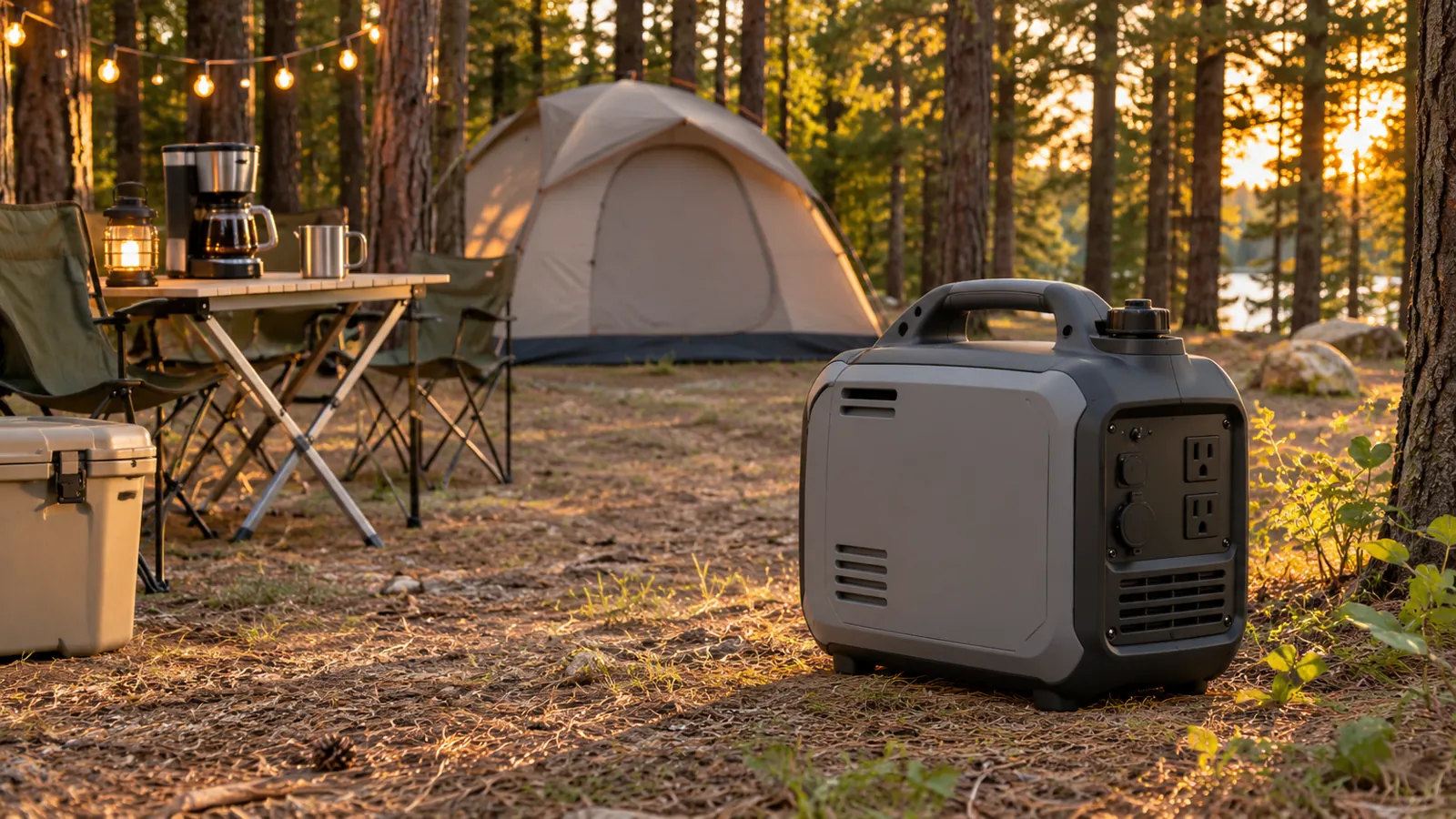
Inverter vs. conventional generator: which one to buy?
Inverter and conventional generators both burn fuel to make 120 V power, but they build it differently. That difference decides noise, fuel use, weig…
 The basics
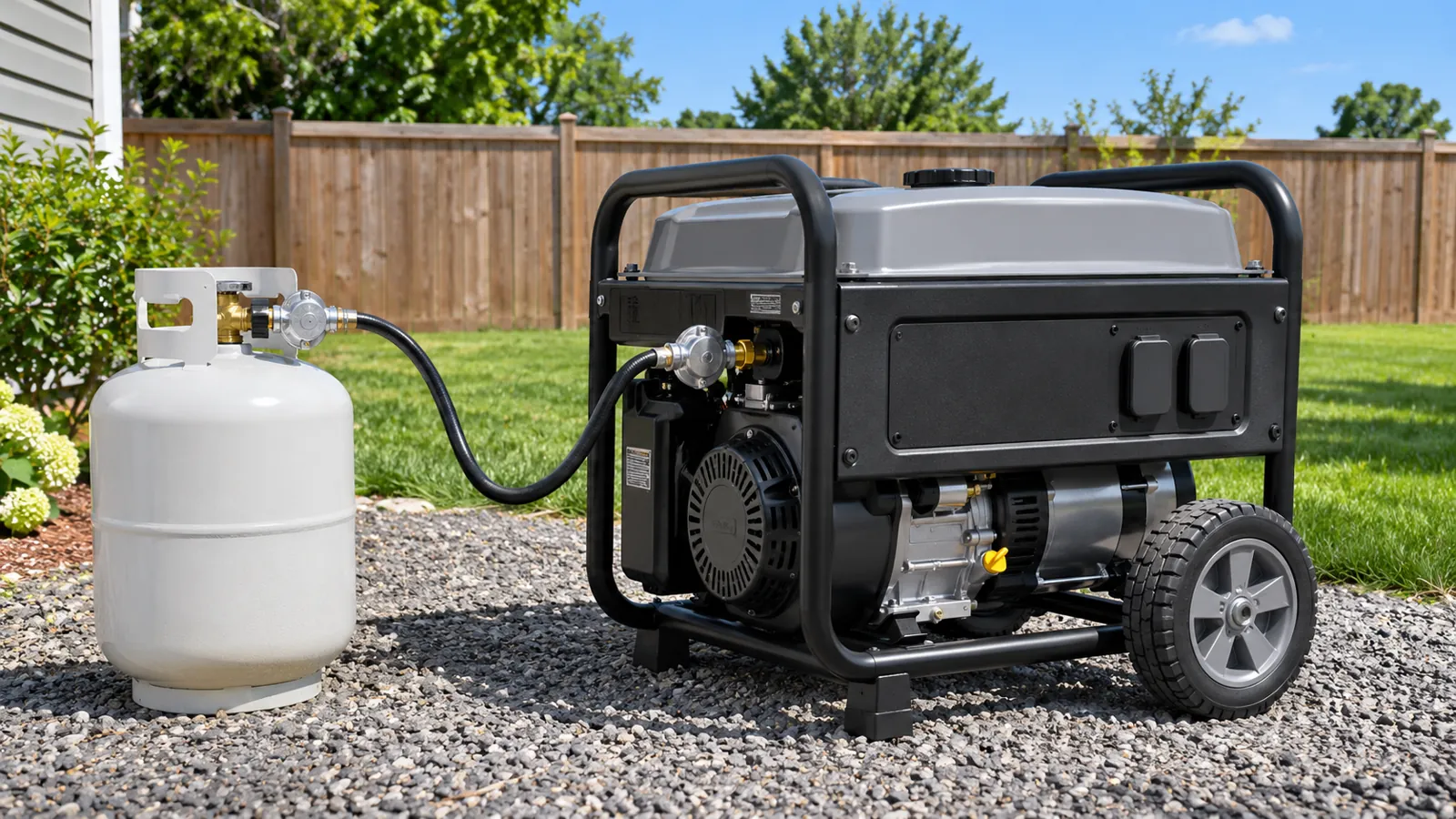
Dual fuel generators: gas vs. propane
A dual fuel generator runs on gasoline or propane at the turn of a selector. Each fuel has clear strengths, and knowing them helps you plan storage, …
Safety & home backup
Carbon monoxide, transfer switches and how to keep the lights on safely.
 Safety & home backup
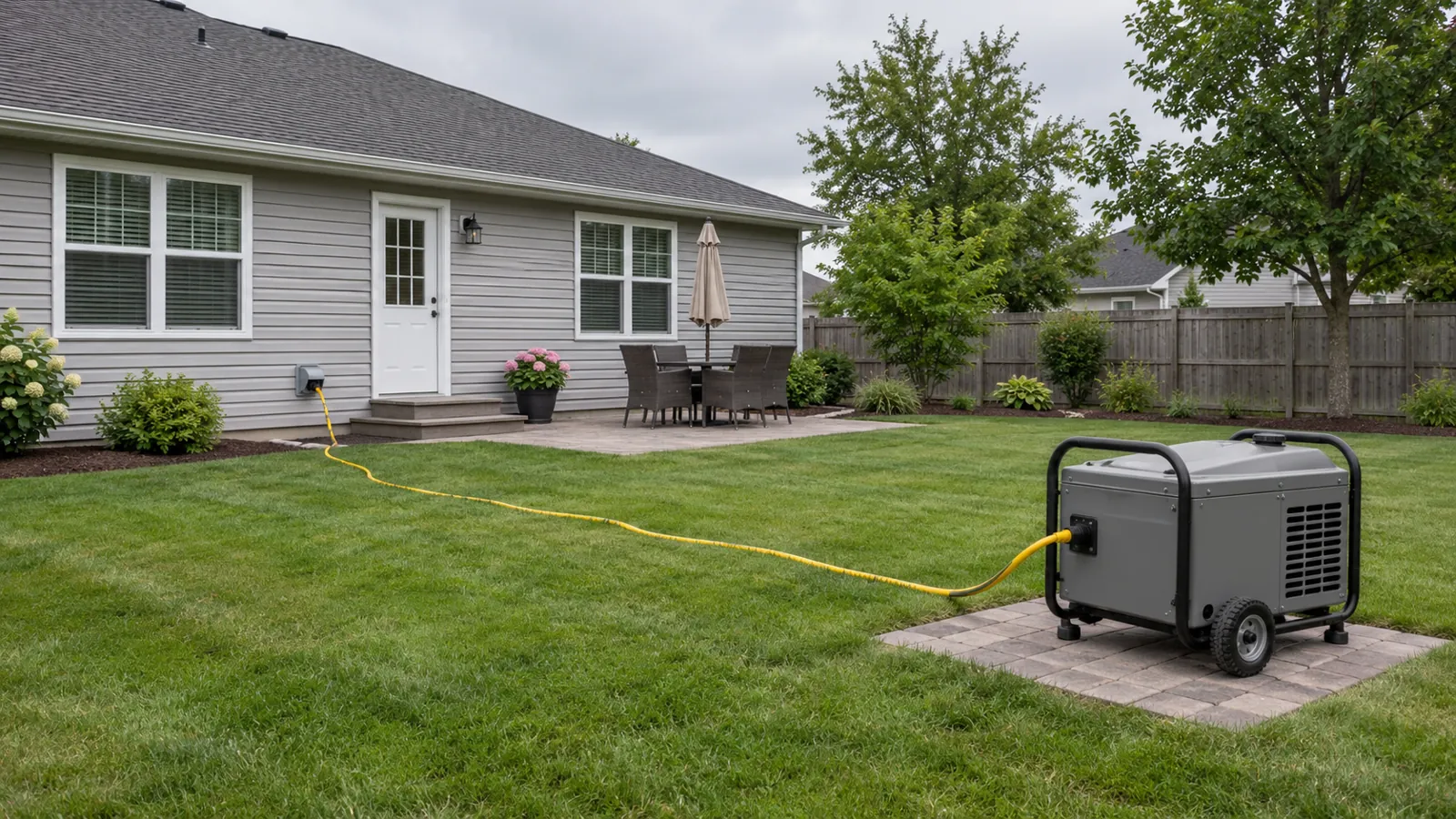
Generator safety: carbon monoxide, placement and electrical risks
A portable generator is safe only when it runs far from where people breathe and is connected the right way. These rules prevent the two leading caus…
Safety & home backup
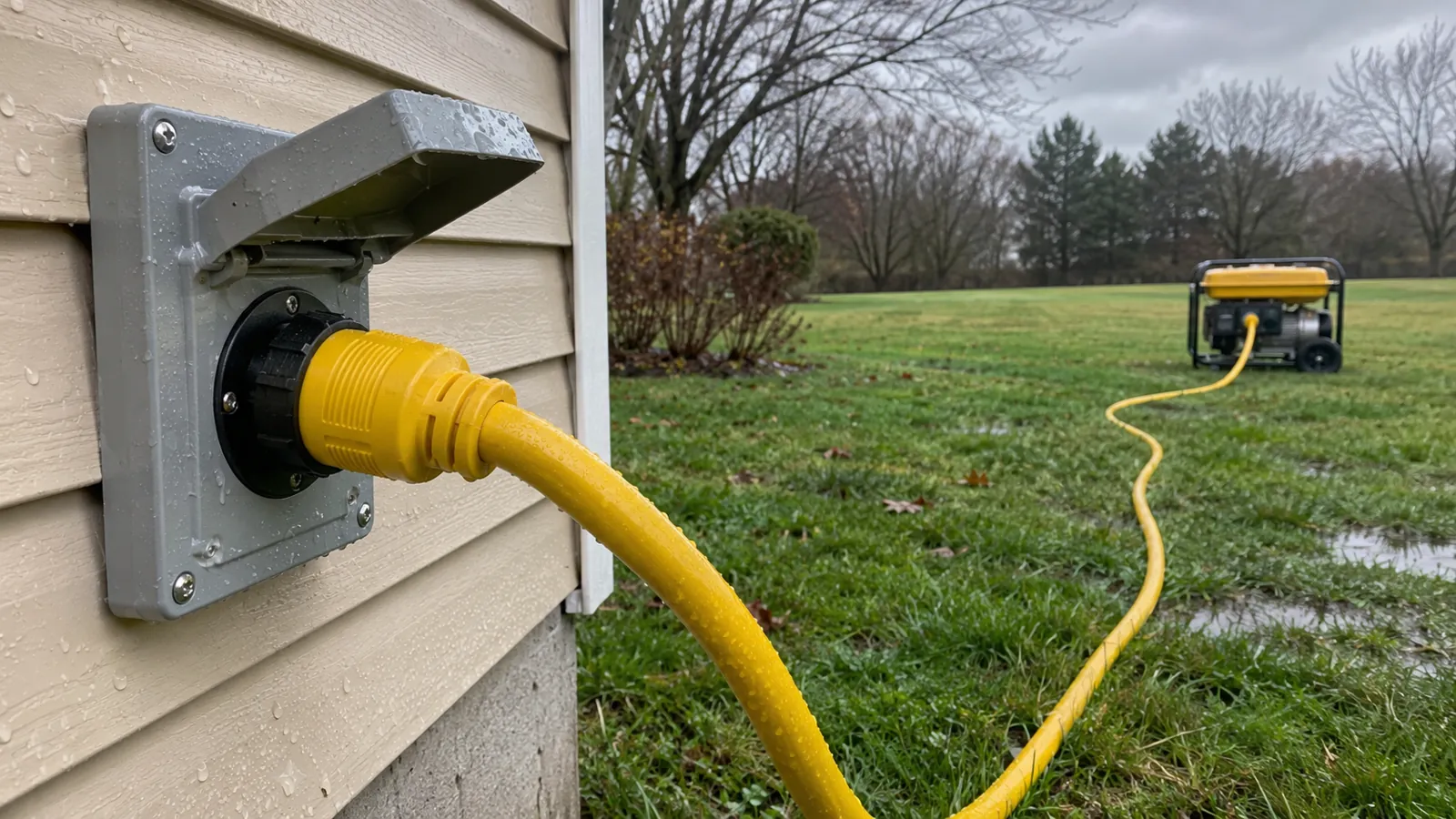
How to connect a generator to your house
Running a few appliances on extension cords works, but powering a furnace, a well pump or hardwired circuits requires a proper connection. Here is ho…
Safety & home backup
How long will a generator run? Runtime and fuel math
Runtime figures on a spec sheet are measured at a single load, usually a light one. Here is how to translate them into the hours and gallons you will…
RV, camping & noise
Quiet power for the campground and the right size for your rig.
 RV, camping & noise
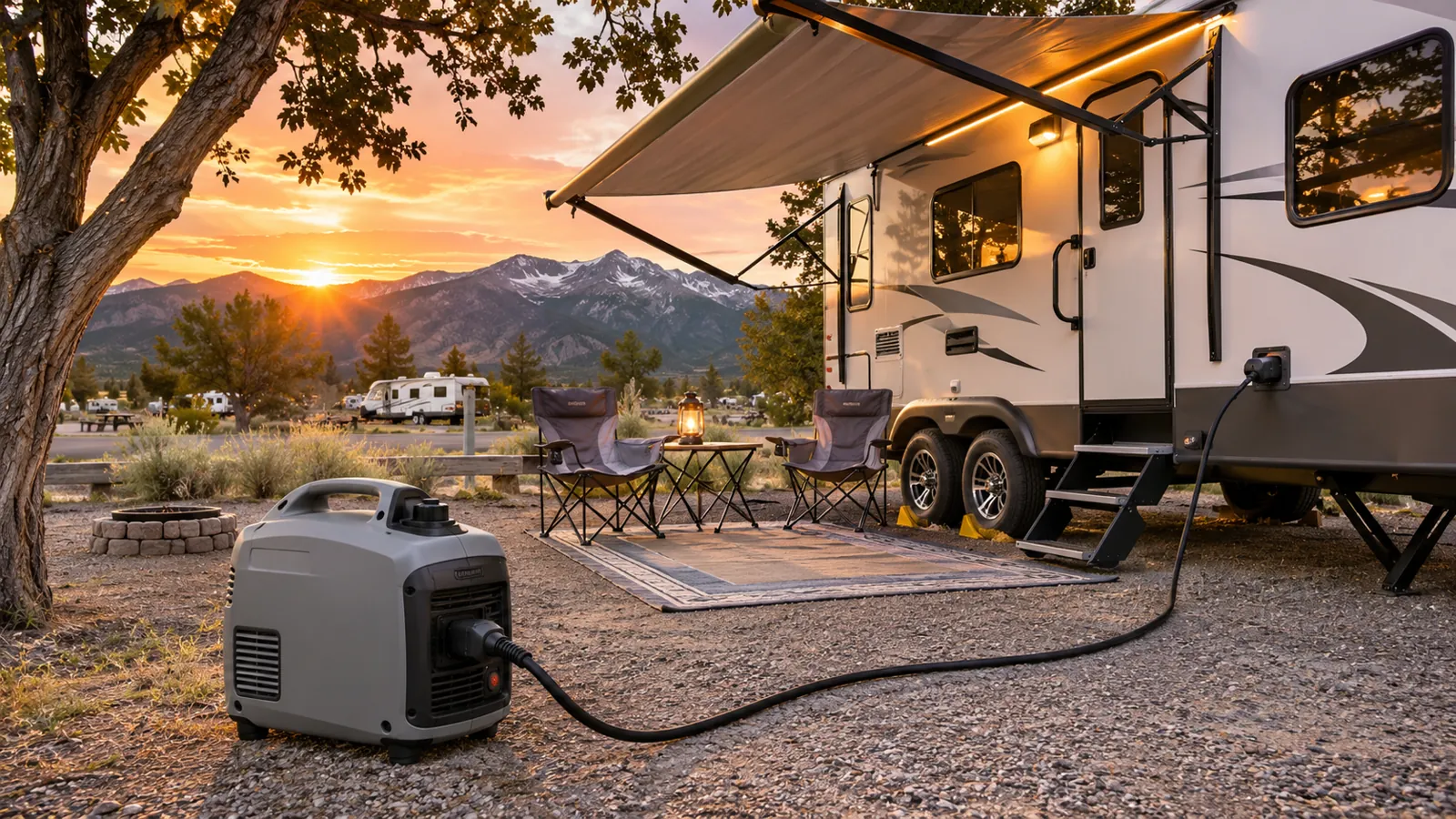
What size generator do you need for an RV?
The right RV generator depends on your shore power plug and on how many air conditioners you want to run. Start with the amps, then size for the roof…
RV, camping & noise
Quiet generators: decibel ratings explained
Generator noise ratings look precise, but a decibel figure only makes sense with its distance and load. This guide explains the scale and shows how t…
RV, camping & noise
Parallel generators explained
Two small inverter generators linked together can do the work of one large unit while staying easy to carry. Here is how paralleling works, what it d…
Ownership
Keep it ready for the next storm, and know when a battery makes more sense.
 Ownership
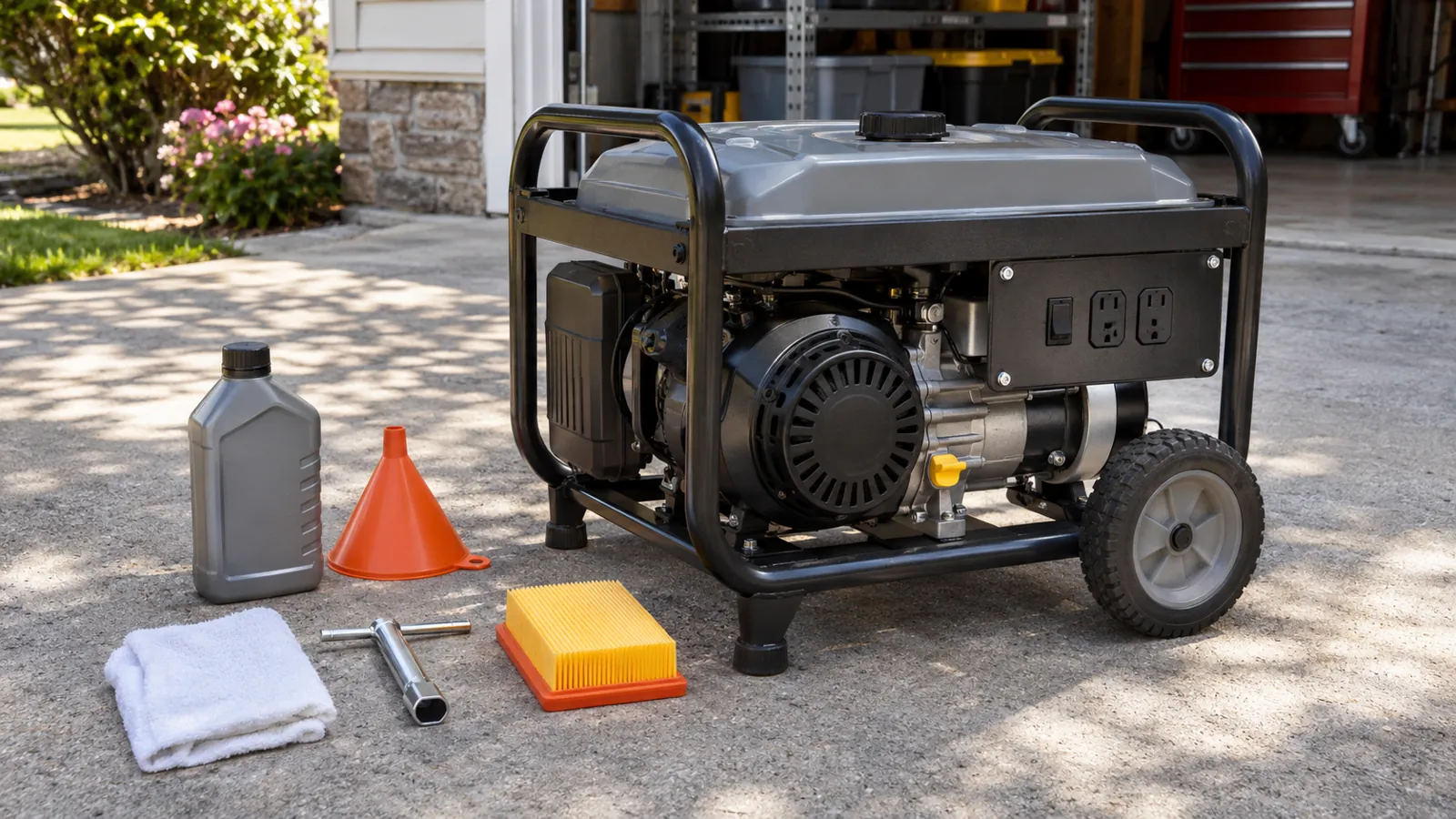
Generator maintenance and storage: a complete checklist
Most generators that fail during a storm were never broken: they sat for months with stale fuel or a dead battery. A few minutes of maintenance each …
 Ownership
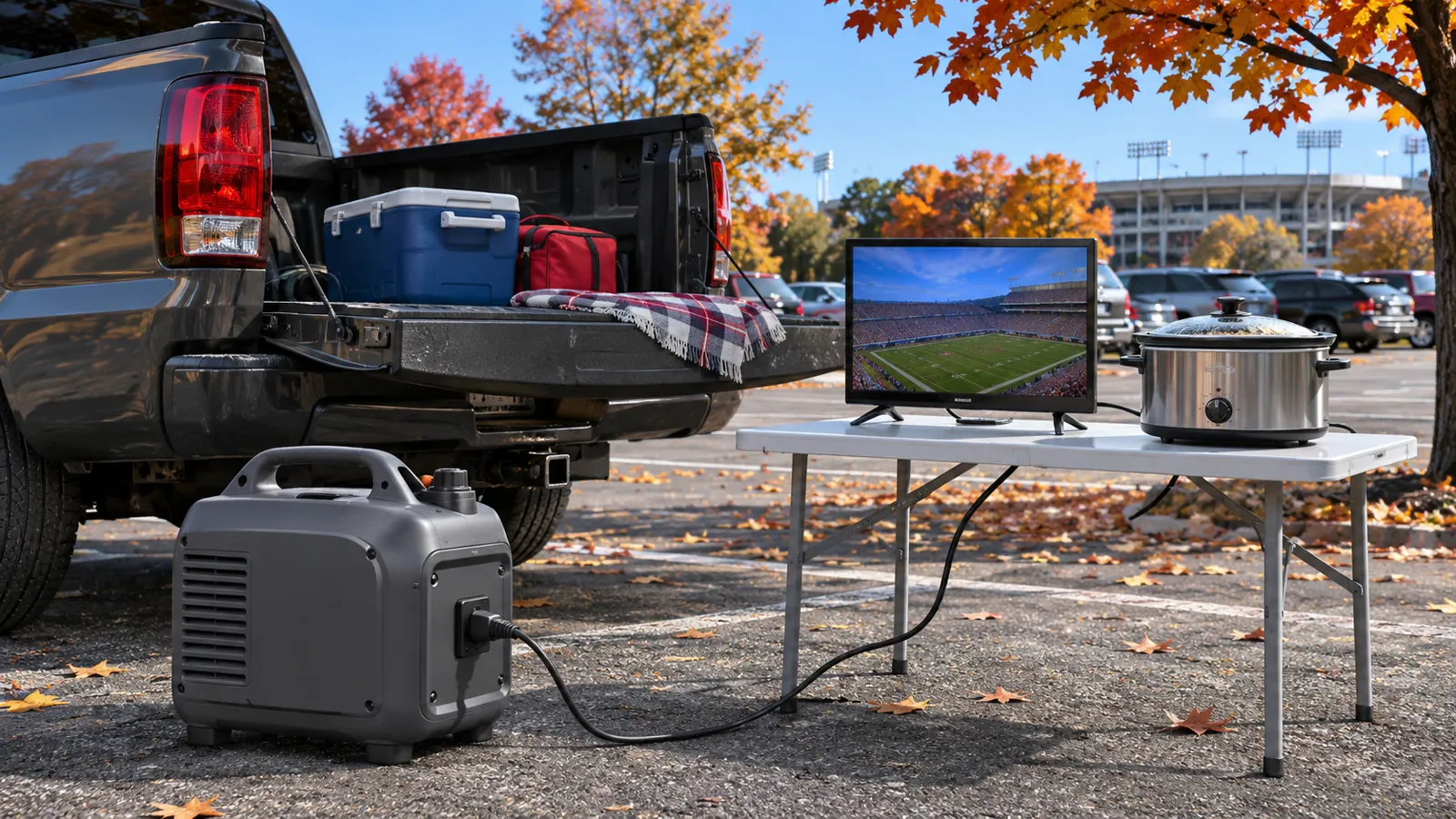
Portable generator vs. power station: which fits your needs?
A portable generator burns fuel to make power on demand; a power station stores power in a battery. Both are often sold side by side, but they solve …
174 generators ranked on the same six criteria
Running watts, runtime, noise, features, watts per pound and watts per dollar, from manufacturer specs.
Frequently asked questions
Where should I start if I've never owned a generator?
Start with our guide on how to choose a portable generator, then the sizing guide: it turns your list of appliances into running and starting watts. Read the safety guide before the first start.
Do you test the generators yourselves?
No. We don't test units hands-on: our guides explain the specs, the math and the safety rules, and our rankings compare models on manufacturer data with one method for all. Our methodology page explains how.
How often are the guides updated?
We review them whenever our catalogue is updated, so the product picks inside each guide always point to models currently sold on Amazon.com.